
Late updated: 08 Nov 2025 10:11
Written by: James Whitaker
Crafting A Peaceful Butterfly Habitat: Transform Your Garden
Creating a serene butterfly garden in our backyards not only adds charm to our outdoor space but also plays a vital role in supporting ecological diversity. By selecting appropriate host and nectar plants and ensuring a pesticide-free environment, we provide the essential needs for these exquisite pollinators to thrive. The result is a tranquil haven buzzing with life and colour, offering a unique escape right at home.
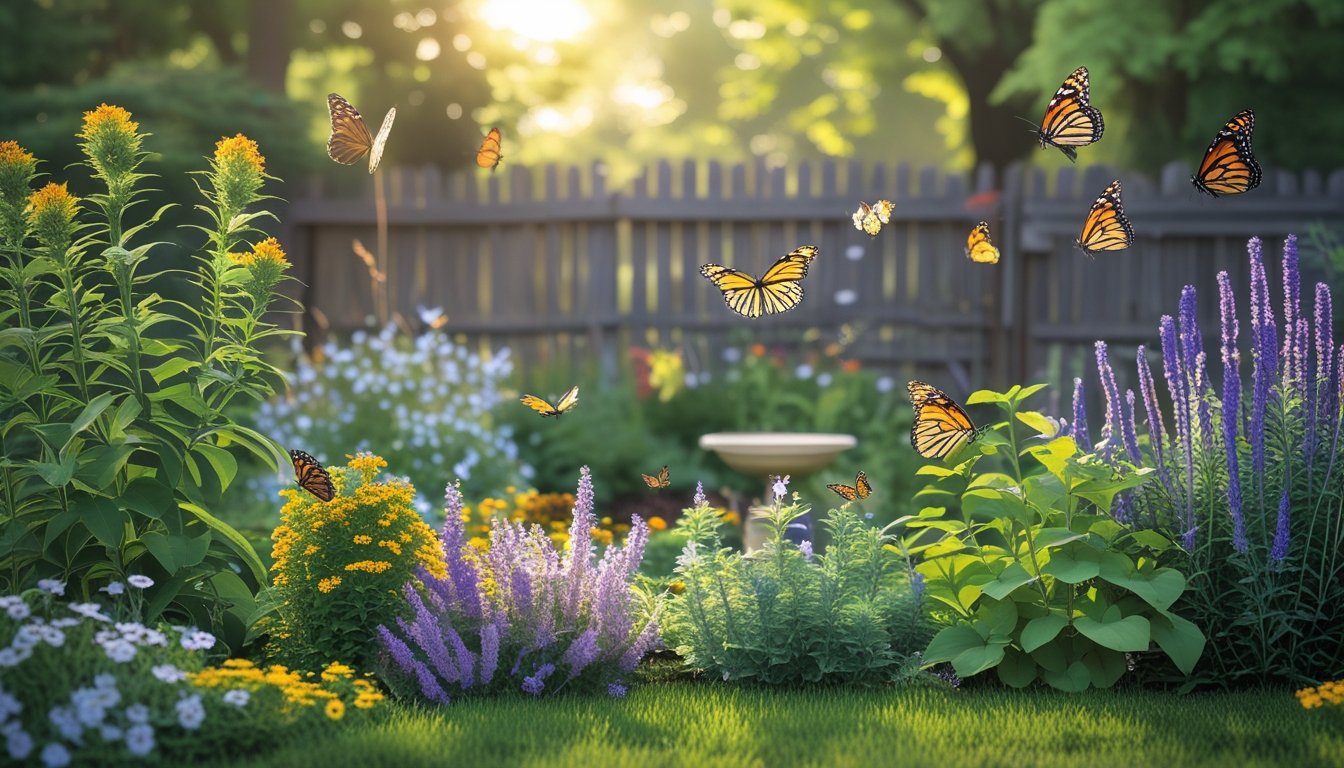
As we embark on this gardening journey, it's crucial to consider elements like sunlight, water sources, and shelter to cultivate a robust habitat. Incorporating native plant species further enhances the garden's ability to attract a wide range of butterfly species. The interplay of hues and fluttering wings will transform our gardens into a peaceful sanctuary that delights both us and the butterflies.
Creating this oasis is about more than just planting flowers—it's about fostering a sustainable environment. Practical steps include leaving areas for butterflies to sunbathe and spaces for larvae to thrive. Let’s uncover how small efforts can lead to big changes in our garden’s ecosystem, inviting guests that bring so much beauty and tranquillity.
Key Takeaways
- Choose native plants for a thriving butterfly habitat.
- Provide essential resources like sunlight and water.
- Maintain a pesticide-free environment.
Essential Elements for a Peaceful Butterfly Habitat
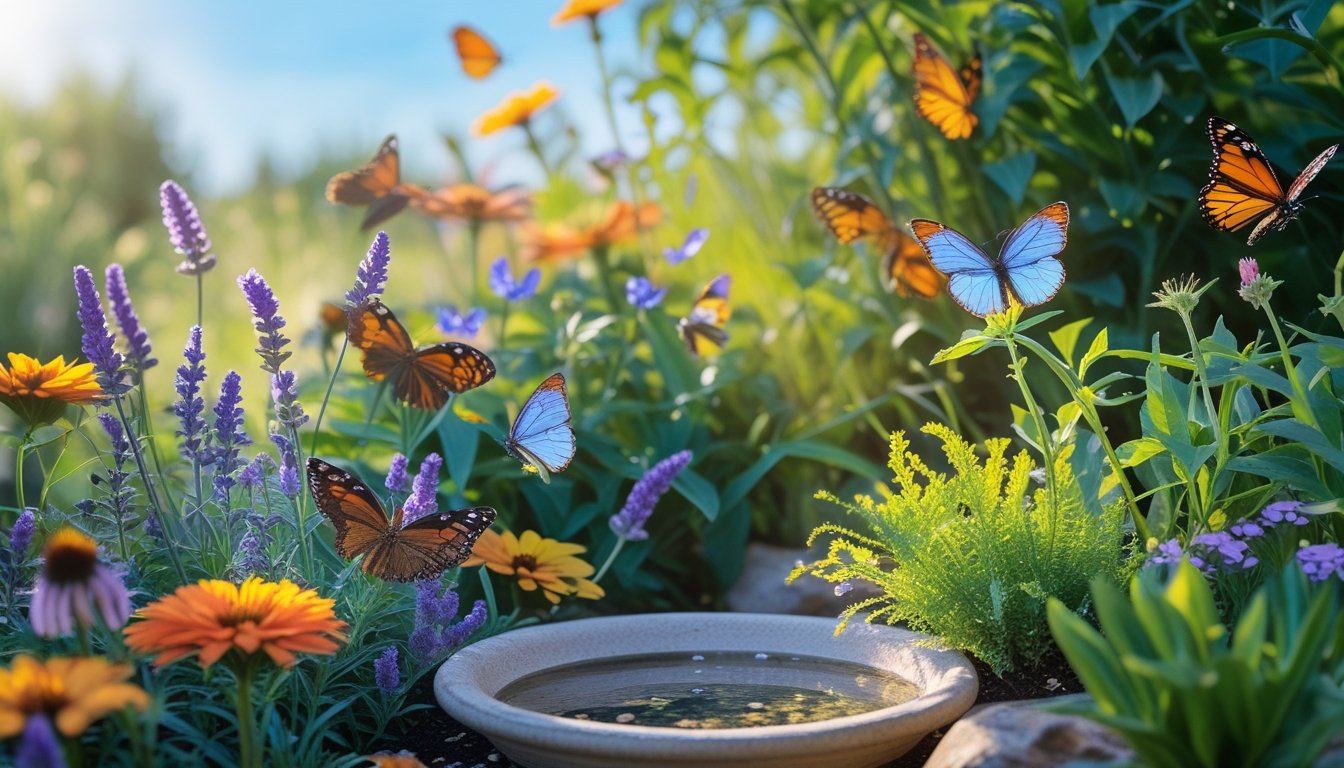
Creating a peaceful butterfly habitat involves understanding the unique needs and preferences of butterflies and caterpillars. By focusing on the suitable location, native plants, and essential nectar sources, we can transform any garden into a butterfly-friendly sanctuary.
Choosing Suitable Locations and Garden Structure
Location is key. We need a spot that gets plenty of sun, as butterflies love basking in sunny areas. Sunny spots are essential since butterflies need warmth to regulate their body temperature. Incorporating basking spots with flat stones enhances this effect.
A shelter from wind will make a difference too. By planting shrubs or creating windbreaks, we reduce disruptions, allowing butterflies to feed and rest peacefully. Be mindful of garden structure; clustering plants in groups can help attract more butterflies.
Understanding Butterfly and Caterpillar Needs
Both butterflies and caterpillars have unique needs. By recognising these, we provide a thriving environment. Caterpillars require host plants to feed on and grow. Butterfly species, like the swallowtail, thrive on specific plants like dill, parsley, and fennel.
Butterflies need a range of nectar sources that bloom throughout the year. Caterpillars also benefit from a moist environment. Incorporating moist soil or shallow water pans for puddling helps provide necessary minerals.
Host Plants and Native Plant Importance
Host plants play a crucial role in catering to caterpillar needs. By integrating native plants such as milkweed, dill, and viola, we support local butterfly species. These plants provide the necessary nutrition and environment for caterpillars to transform into beautiful butterflies.
The use of native plants is vital as they are more in tune with the local ecosystem and are well adapted to withstand local pests. This reduces the need for pesticides, creating a safer environment for pollinators.
Attractive Nectar Sources for Adult Butterflies
Choosing a variety of nectar-rich flowers ensures adult butterflies have ample food. Varieties like lantana, zinnias, asters, and echinacea are excellent nectar sources. Their tubular flowers attract many butterfly species, ensuring your garden is lively and vibrant.
Including diverse bloom colours and staggered flowering times keeps butterflies coming back. This approach enhances plant diversity and sustains a wide array of pollinators throughout the growing season. Our aim is to provide a year-round sanctuary that sustains butterflies at every stage of their lifecycle.
Sustaining and Protecting Your Butterfly Sanctuary
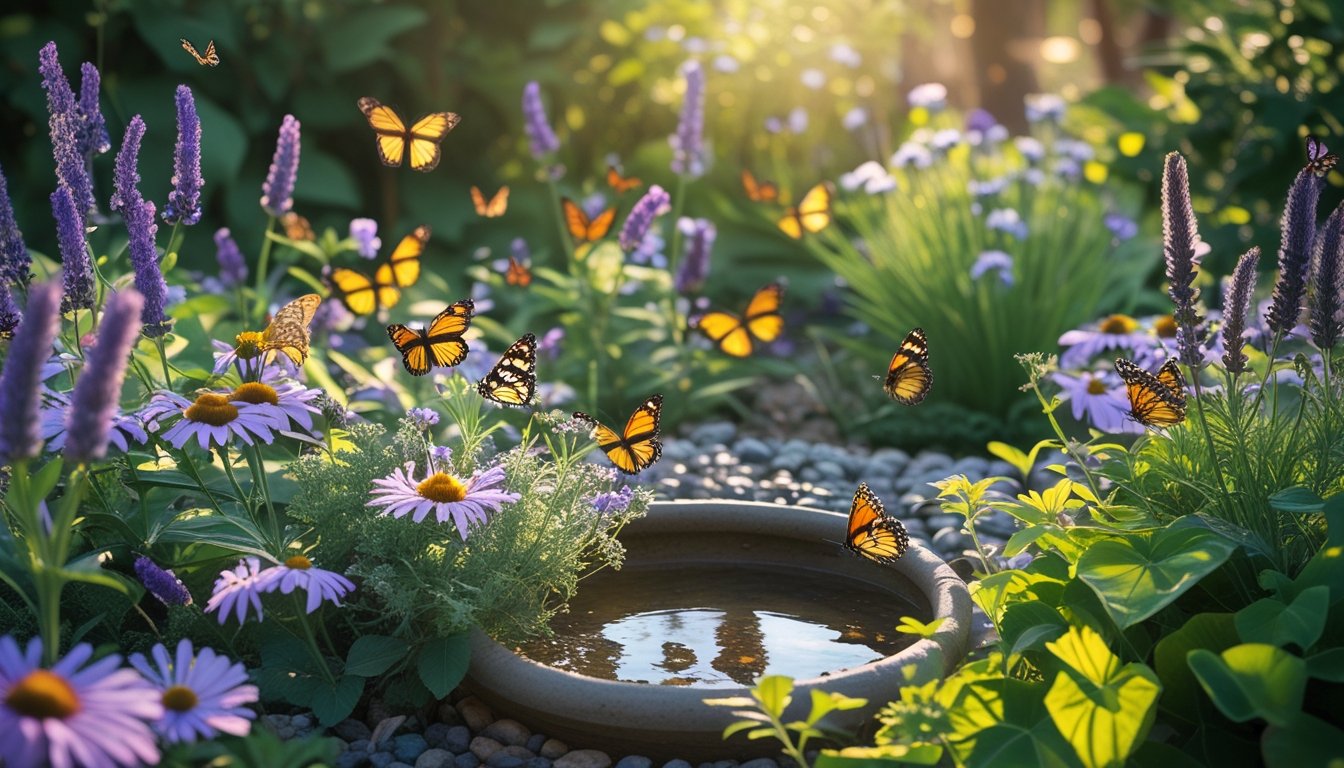
Creating a vibrant butterfly sanctuary requires careful consideration to provide not only food sources but also shelter, water, and protection from harsh elements. Incorporating organic methods and ensuring your garden flourishes through diverse plantings will help safeguard these delicate pollinators.
Shelter, Wind Protection and Microclimates
Butterflies thrive in areas where they can find shelter from strong winds and harsh weather. By planting trees, shrubs, or taller native plants, we can create natural barriers. These structures serve as windbreaks and also provide microclimates, where butterflies can bask in the sunlight to regulate their body temperature.
Strategically positioning flat stones near the plants offers a warm place for butterflies to rest on cooler days. Mixed plant heights contribute to a balanced ecosystem, providing diverse habitats to different butterfly species such as monarchs and painted ladies.
Provision of Water, Minerals and Puddling Sites
Butterflies require access to water and essential minerals to thrive. Creating small ‘puddling’ spots by simply placing damp sand or shallow dishes filled with a mixture of water and soil can be beneficial. These areas allow butterflies to drink and absorb minerals critical for their development and reproduction.
Adding flat stones to these puddling sites can give butterflies a place to land safely. Additionally, pebbles in shallow water trays can serve as resting spots, ensuring they do not drown while drinking. Keeping these spots free of contaminants is vital for maintaining a healthy sanctuary.
Organic and Chemical-Free Pest Management
Protecting butterflies from harmful pesticides is crucial for their survival. Instead of chemical solutions, we should utilise organic pest control methods. Introducing beneficial insects like ladybirds and lacewings helps manage pest populations naturally without harming butterfly caterpillars.
Other options include insecticidal soap or neem oil sprays, which are less harmful to beneficial insects. It’s essential to monitor the health of our plants and intervene only when necessary. By focusing on organic solutions, we contribute positively to broader environmental conservation efforts, aiding in the reduction of habitat loss due to pesticide use.
Encouraging Year-Round Diversity and Resilience
Ensuring a variety of plants that bloom at different times of the year supports a stable butterfly population. By selecting a mix of native species that cater to the needs of both adult butterflies and larvae, we provide continuous sources of nectar and host plants.
Diversifying plant life fosters resilience against climate change impacts. As ecosystems become more stable with varied plant life, they are better equipped to recover from adverse changes. Incorporating various colours and plant types enhances pollination opportunities, helping sustain species like the monarch throughout the seasons, promoting a flourishing butterfly habitat.
Frequently Asked Questions
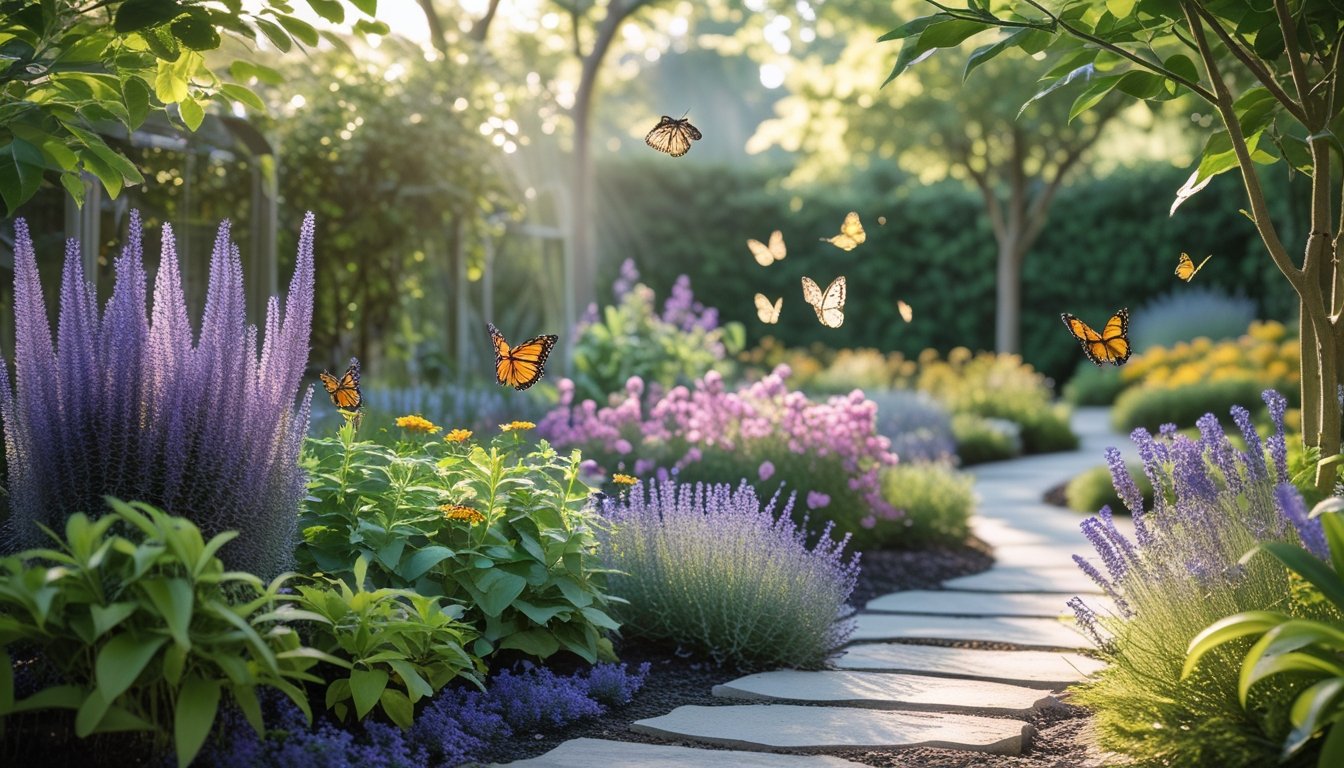
Creating a butterfly habitat involves careful selection of native plants, establishing sustainable water sources, and implementing eco-friendly practices. It's crucial to design a garden layout that supports the life cycles of various butterfly species while ensuring the environment remains free from harmful pesticides.
What native plants are essential for attracting butterflies to my garden?
Native plants are key for drawing butterflies. We should include plants like Buddleia (butterfly bush) and Echinacea, which are known to provide essential nectar. Native wildflowers such as milkweed also support butterfly larval stages. These choices offer sustenance and habitat suitable for local species, enhancing biodiversity.
How can I provide a sustainable water source for butterflies in a garden setting?
A shallow water source is ideal. We can use a small dish or birdbath filled with pebbles and water, ensuring it's not deeper than half an inch. This allows butterflies to drink safely. Refresh the water regularly to keep it clean and prevent stagnation, which can attract unwanted pests.
What are the most effective ways to protect butterflies from predators in my garden?
Creating shelter is crucial. Plant dense shrubs or hedges where butterflies can hide. We can also introduce decoy plants that attract predators away from butterflies. Maintaining a habitat that includes a variety of perches and hiding spots will help these delicate creatures stay safe while enhancing our garden's natural balance.
How does one design a garden layout to cater to the life cycles of different butterfly species?
We should arrange plants to mimic natural habitats, placing host plants where larvae can grow and nectar plants in sunny areas for adult butterflies. Layering these elements supports various stages of a butterfly's life. Including open spaces for sun basking and sheltered spots will cater to their diverse needs throughout the year.
Can you recommend some eco-friendly practices for maintaining a butterfly habitat in the garden?
Eco-friendly practices involve reducing chemical use and embracing natural gardening techniques. We can adopt composting to enrich the soil naturally and control pests through companion planting. Utilising organic mulch will maintain moisture and promote healthy plant growth, creating a supportive environment for butterflies and other beneficial insects.
What are the best practices for ensuring the butterfly habitat remains pesticide-free?
Avoid synthetic chemicals. Instead, we should manage pests using natural predators like ladybirds and implement companion planting. Another strategy is manual removal of pests when necessary. Maintaining diverse plantings will promote a balanced ecosystem less reliant on chemical interventions, ensuring butterflies thrive in a healthy, pesticide-free environment.