
Late updated: 28 Sep 2025 11:09
Written by: James Whitaker
Designing A Minimalist Garden Oasis: Creating Serenity In Your Backyard
Creating a minimalist garden oasis requires a balance of simplicity and beauty, capturing the essence of nature with clean lines and a focus on natural elements. In a world where landscapes are often cluttered and overwhelming, a minimalist garden offers a tranquil respite, a place where form and function align effortlessly. By carefully selecting a limited palette of plants and incorporating structures with elegant geometry, we can create a serene outdoor space.
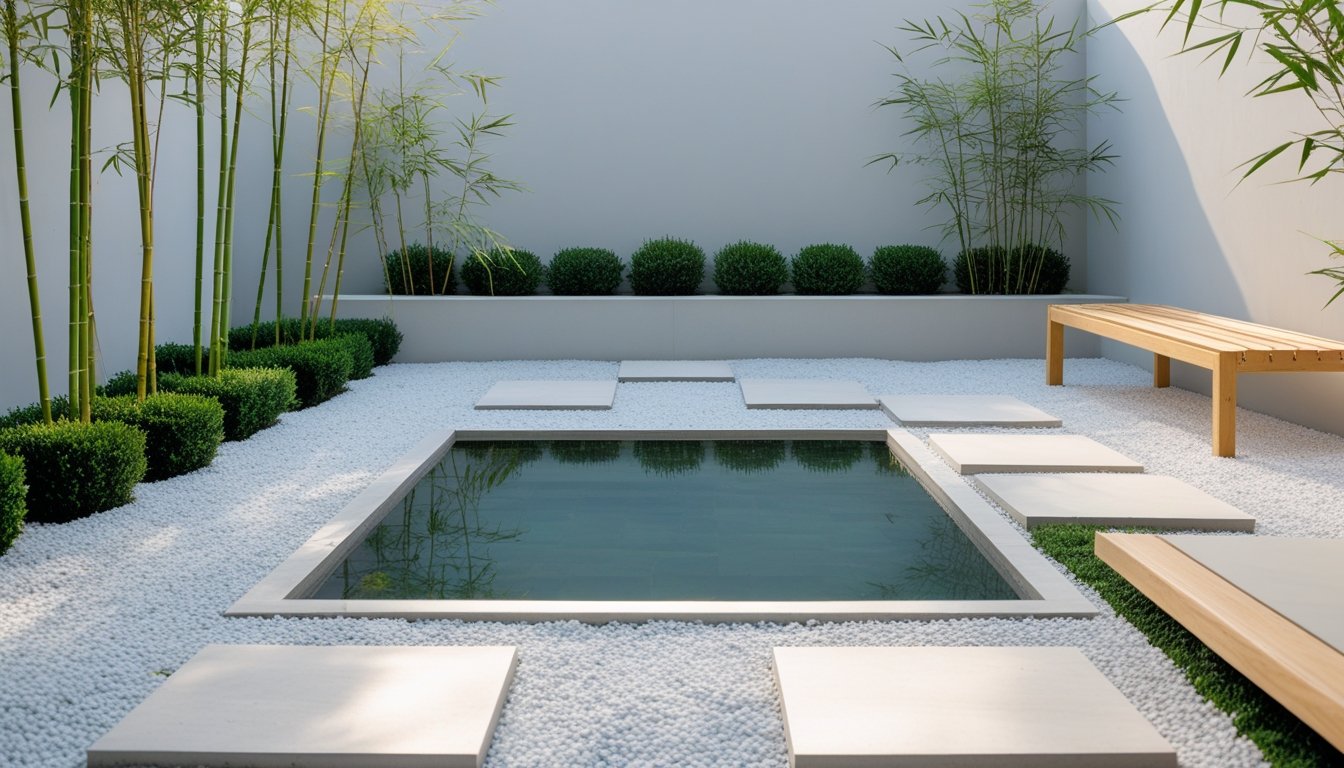
A minimalist garden oasis is as much about what is left out as what is included. This design philosophy embraces simplicity, employing uncluttered layouts and a restrained colour palette. Key elements such as seating areas, natural textures, and space for relaxation are thoughtfully integrated to enhance both aesthetics and functionality. By prioritising plant architecture and simple geometry, the garden becomes a place of rest and contemplation.
As we embark on this journey of designing a minimalist garden, we have the opportunity to mould our outdoor spaces into reflections of our personal style. The interplay of natural elements and minimalist design principles ensures that our gardens will be both calming and captivating, offering a peaceful retreat from the daily grind.
Key Takeaways
- Minimalism in gardens focuses on simplicity and natural elements.
- Key elements include uncluttered design and restrained colour use.
- Personal style is integral to creating a unique garden oasis.
Fundamentals of Designing a Minimalist Garden Oasis
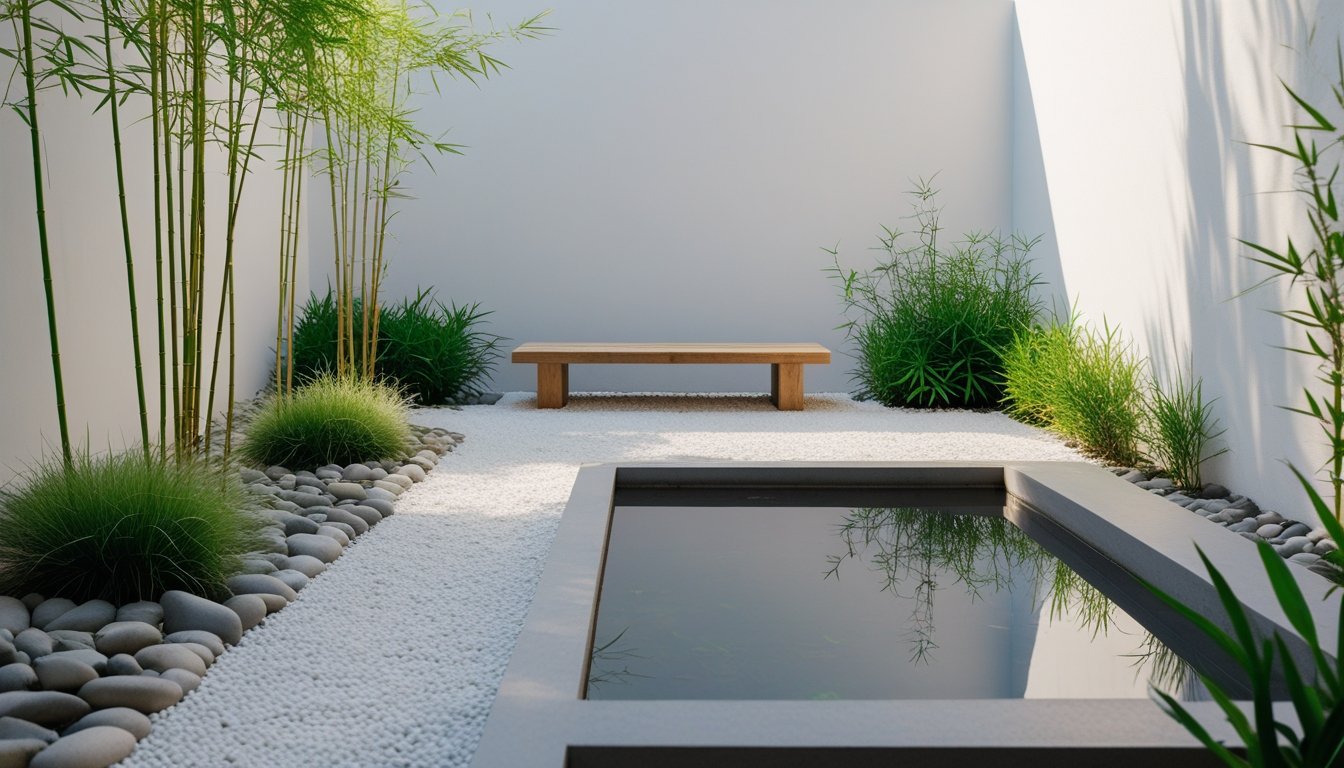
Creating a minimalist garden oasis combines style, simplicity, and tranquility in our outdoor spaces. We will focus on key principles of minimalist design, select elements that enhance serenity, and plan spatial arrangements to form calming outdoor rooms.
Key Principles of Minimalist Garden Design
Minimalism emphasises simplicity and functionality. To achieve this, clean lines and open spaces are crucial. We must strip away any non-essential elements, ensuring each chosen element serves both a practical and aesthetic purpose. Incorporating negative space lends a sense of calm, allowing individual components to stand out.
It's essential to use a limited palette of materials and colours. By focusing on neutral tones and natural textures, gardens become timeless and cohesive. The balance between hardscape and softscape elements is vital, helping maintain order and harmony.
Selecting Elements for Simplicity and Tranquillity
When selecting elements, we look for those that contribute to the garden's serenity while keeping maintenance demands low. Native plants are ideal, as they tend to require less upkeep and are better suited to the local climate.
Opt for multi-functional elements, such as a bench that doubles as storage. Minimalist water features can provide soothing auditory elements without overwhelming the senses. Ensure every piece earns its place by enhancing the overall aesthetic and maintaining simplicity.
Spatial Planning and Layout for Calm Outdoor Rooms
Spatial planning in minimalist garden design focuses on creating defined outdoor rooms. Strategic zoning can help us achieve this, guiding visitors through the space and providing distinct areas for relaxation or social interactions.
Open pathways create a sense of journey while leading to focal points like a sculptural plant or a feature wall. Scott Shrader often emphasises the importance of scale and proportion in his garden designs, guiding the flow of energy throughout the space. By integrating these planning techniques, we can create practical and emotionally engaging areas that invite stillness and reflection.
Essential Elements and Personalisation for a Garden Oasis
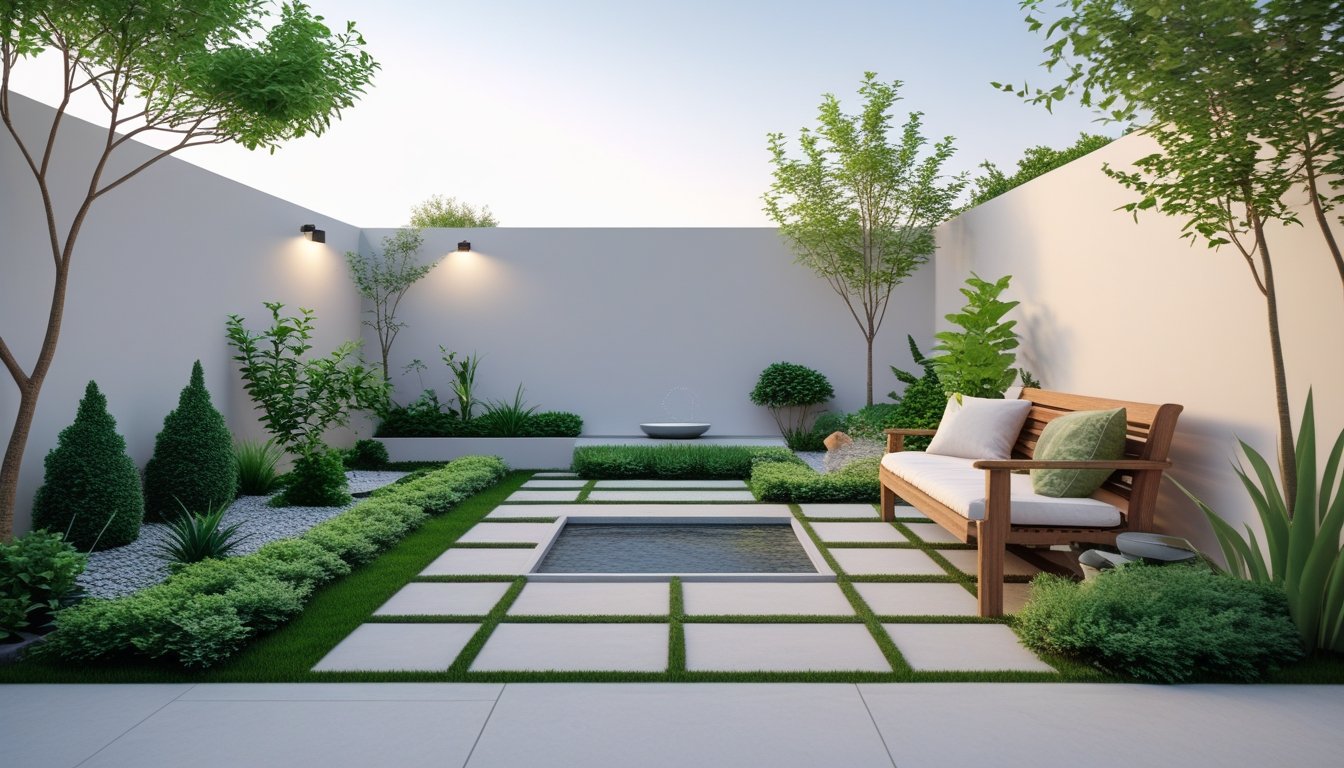
Creating a minimalist garden oasis involves careful selection of plants, natural materials, and privacy solutions to craft a peaceful retreat. Every element should reflect simplicity yet provide a sense of tranquillity and seclusion.
Incorporating Water Features and Natural Materials
Water features such as ponds or small fountains help introduce soothing sounds and a sense of calm. In a minimalist design, a small bubbling fountain or a sleek reflecting pool fits seamlessly.
Using natural materials like stone and wood complements and grounds the space. Gravel pathways or wooden decks add texture and lead the way through the garden. Incorporating metal elements such as iron sculptures offers an interesting contrast to softer forms.
Focus on maintaining balance. It's crucial to blend these materials without overcrowding the space. Let the natural aesthetics stand out.
Best Plant Choices for a Serene Minimalist Garden
Selecting plants involves choosing those with subtle hues and varied textures. Ornamental grasses, like sedges and feather reed grass, offer movement. Their delicate sway with the wind adds serenity.
Evergreen shrubs provide consistent greenery year-round and require minimal effort. Stones or small ornamental trees, such as Japanese maples, contribute to vertical interest.
Limit the palette to keep the area cohesive. Incorporating plants with interesting foliage rather than showy flowers works particularly well. This enhances the garden's calm atmosphere without overwhelming the senses.
Privacy and Outdoor Living Enhancements
Creating privacy is key. Use tall hedges or bamboo screens to shield spaces naturally. These measures convey a sense of intimacy and seclusion, even in smaller urban gardens.
Outdoor living enhancements, such as comfortable seating areas with simple, neutral-toned furniture, support relaxation. Add textiles like weather-resistant cushions or throws for comfort.
Focus on lighting for ambiance. Install discreet outdoor lighting to highlight pathways or water features, creating an inviting setting for evening enjoyment. Avoiding clutter in the garden helps maintain a minimalist style, emphasising the beauty of personal design choices.
Frequently Asked Questions
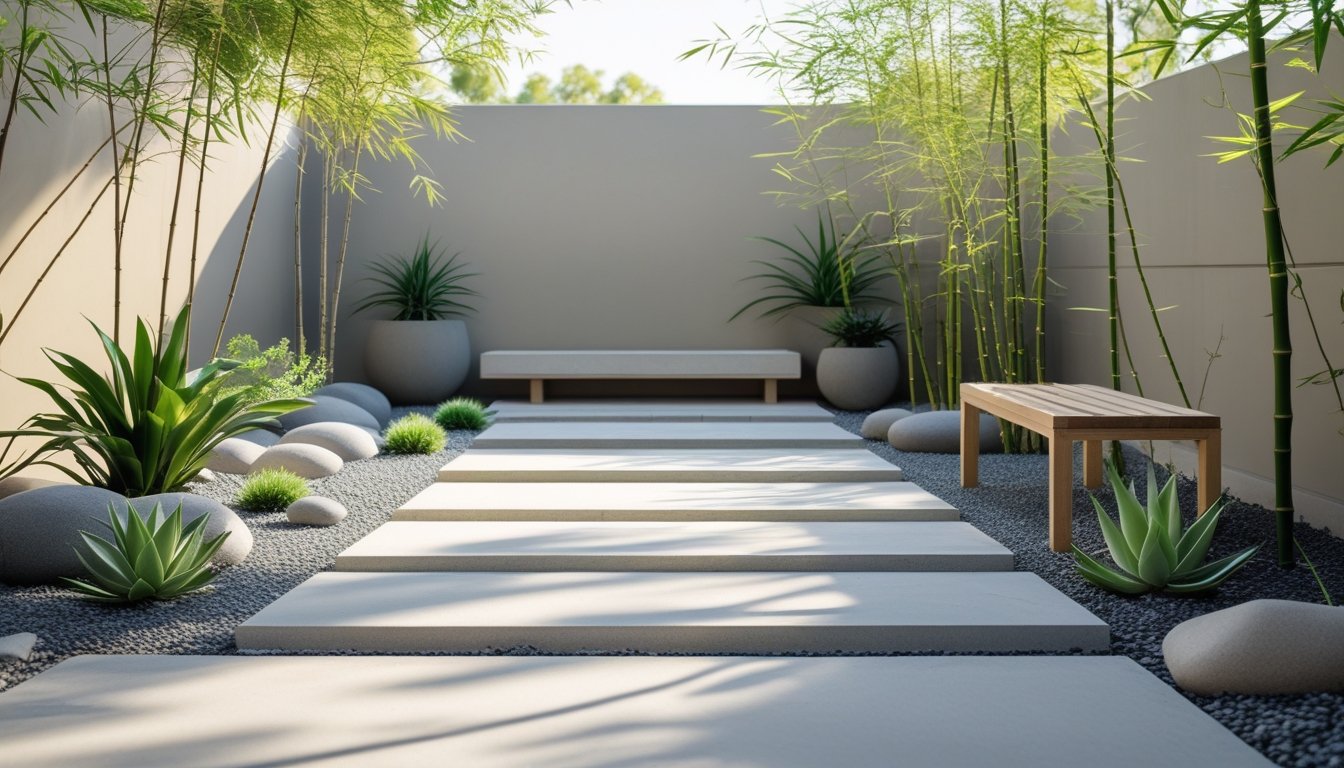
Creating a minimalist garden involves careful selection of elements like plants and features to maintain simplicity and elegance. It's crucial to also consider maintenance strategies for a seamless look throughout the year.
What are the fundamental principles of creating a minimalist garden space?
Minimalist gardens focus on simplicity, employing geometric shapes and limited plant varieties. Emphasis is on open spaces and structured designs using clean lines. Hardscaping elements like stones or paths can be integrated to reduce maintenance and highlight natural beauty.
How can one choose the appropriate plants for a minimalist garden?
Opt for low-maintenance plants with clean lines and uniform textures. Consider using plants with varying heights, colours, and seasonal interest. Succulents, evergreens, and ornamental grasses often work well due to their subtle yet striking appearance.
What steps should be taken to maintain a minimalist garden throughout the seasons?
Regular pruning and deadheading help maintain the garden’s tidy appearance. Mulching conserves moisture and reduces weeds. Seasonal checks for plant health, along with adjusted watering schedules, ensure the garden stays vibrant and aligned with its minimalist aesthetic.
Could you suggest effective ways to integrate water features into a minimalist garden?
Water features should be simple and unobtrusive. Consider a reflecting pool or a small, understated fountain. Incorporating smooth stones around water elements can enhance their minimalist appeal and create tranquil auditory and visual effects.
What are the best ground cover options for a minimalist garden design?
Ground covers like moss, creeping thyme, or sedum are well-suited. They offer texture and visual interest without overwhelming the space. These choices remain low to the ground, preserving the garden's clean, uncluttered look and requiring minimal care.
How does one incorporate lighting to enhance a minimalist garden's ambience in the evening?
Subtle lighting designs are key. Use soft LED lights to accentuate paths, focal plants, or water features. Placing lights low to the ground or strategically among plants can create a gentle, inviting glow throughout the evening.