
Late updated: 16 Dec 2025 10:12
Written by: James Whitaker
Garden Retreats For Stress-Free Relaxation: Creating Your Personal Oasis
In our fast-paced world, finding tranquillity within a garden can transform everyday life into a haven of peace. A garden retreat isn't just about planting flowers; it's about creating a space that rejuvenates the spirit and eases stress. By incorporating natural materials and thoughtful design, we can craft a retreat that seamlessly blends relaxation and mindfulness, offering refuge from daily pressures.
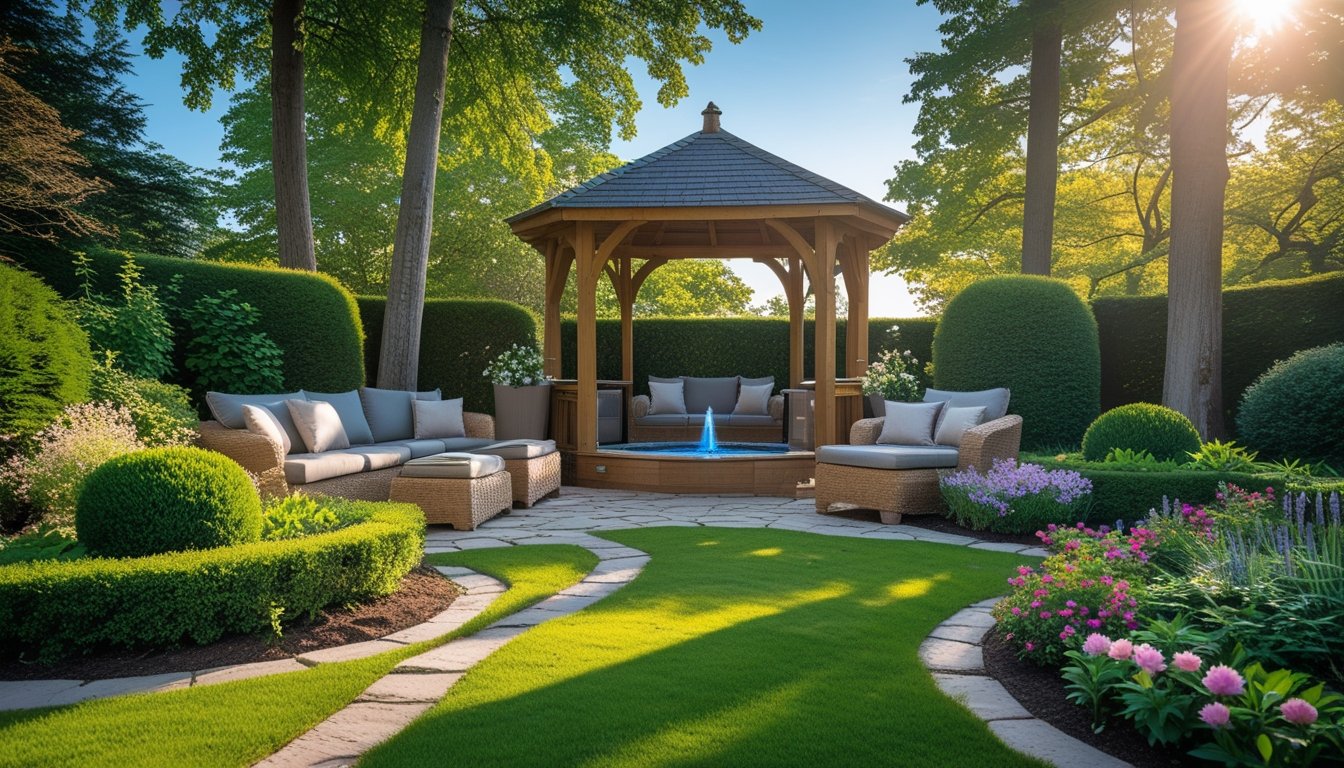
Imagine stepping into a personal oasis, where every carefully chosen element fosters a sense of calm. Picture cosy nooks, perhaps nestled among flowers or a serene patio with softly glowing lights. Each aspect of the retreat, from the tactile feel of wooden benches to the soothing sounds of a nearby water feature, contributes to an atmosphere that refreshes the mind and body.
Our dedicated exploration of garden retreats will guide you through the essential features that make these sanctuaries effective for stress relief. Together, we will discover how simple additions and design philosophies create spaces that not only offer a visual feast but also nurture emotional wellbeing.
Key Takeaways
- Garden retreats merge natural beauty and design for stress relief.
- Essential elements include the right plants, materials, and structures.
- Personalised spaces can foster mindfulness and renewal.
Core Elements of a Stress-Free Garden Retreat
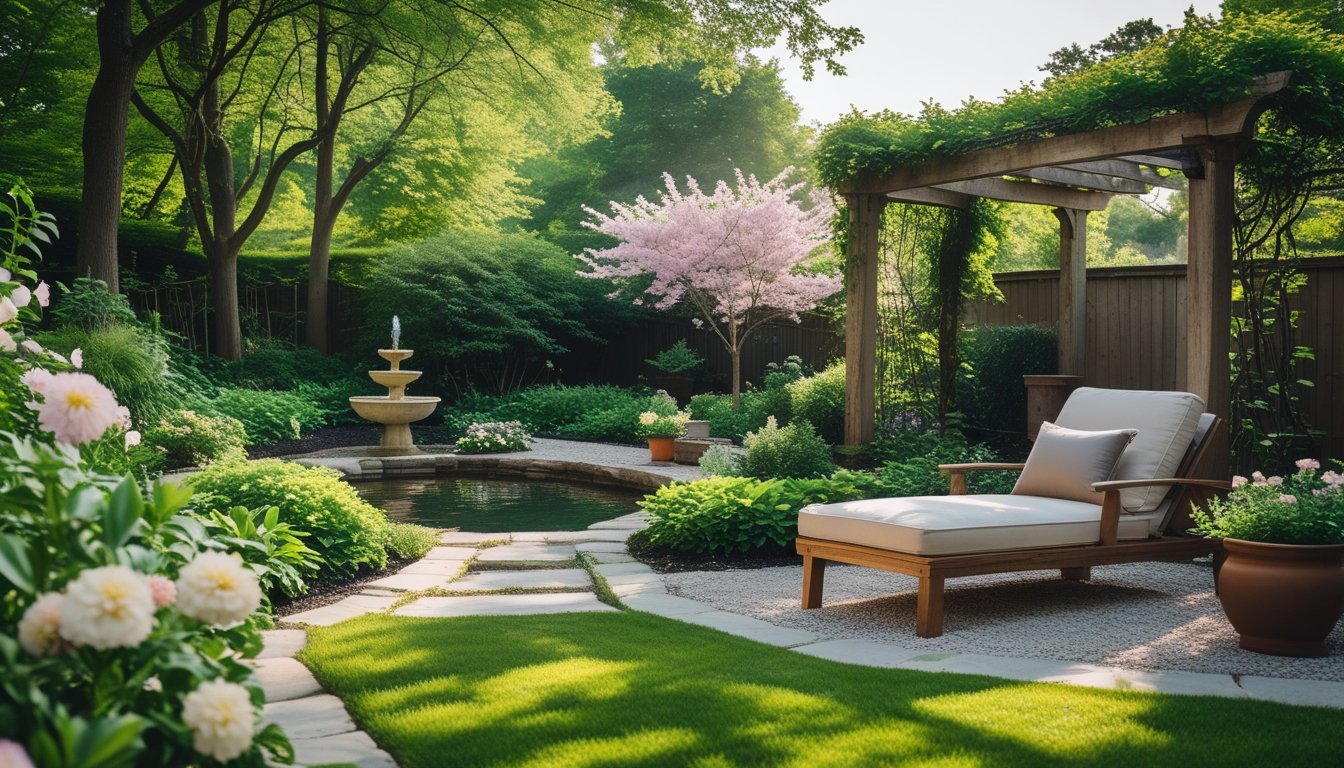
Crafting a garden retreat for stress-free relaxation involves thoughtful integration of calming atmospheres, focal points, mindful pathways, and sensory experiences. Each element contributes to creating an outdoor space that enhances our mental well-being and supports our wellness journey.
Creating Calming Outdoor Spaces
Establishing a serene environment is essential for stress relief. We can achieve this by designing spaces that encourage relaxation and comfort. Soft lighting, such as fairy lights or lanterns, brings a gentle glow to the garden, creating a soothing ambience as evening falls.
The choice of garden furniture is crucial. Opt for comfortable seating that blends with natural surroundings, such as benches made from natural materials like wood or stone. Pergolas can offer shade and define areas for rest. The layout should allow for fluid movement, avoiding clutter, to maintain an open and tranquil feel. Birdhouses attract beneficial wildlife, adding an element of joy as we observe birds in their habitat.
Incorporating Water Features and Focal Points
Water features serve as focal points that promote tranquillity and offer auditory relaxation. The gentle sound of running water from a fountain or pond can drown out urban noise and enhance the peaceful atmosphere. Koi ponds or a simple birdbath not only add aesthetic value but invite wildlife, creating a lively yet calming environment.
Bold elements like sculptures or unique planters can serve as additional focal points. These features draw the eye and encourage mindful contemplation. Garden lanterns strategically placed around these features can accentuate their beauty during night-time. Balance is key; too many focal points can overwhelm the space, so it’s best to choose select features that work harmoniously together.
Designing Pathways and Zones for Mindfulness
Paths guide us through the garden, creating a journey of exploration and reflection. Meandering pathways encourage slow, mindful walking, which is beneficial for mental rejuvenation. Stepping stones or natural gravel paths can create a rustic, welcoming feel.
Dividing the garden into zones with thoughtful layout planning enhances mindfulness. Each zone can serve a different purpose, from quiet meditation spots to vibrant gathering areas. Strategically placing potted plants and ornamental grasses can define these zones organically without disrupting flow. The garden layout should invite us to pause and appreciate each space, promoting a holistic experience of relaxation.
Enhancing Sensory Experiences With Plant Selection
Plants are vital in engaging our senses and elevating the garden experience. Choosing a variety of aromatic plants, like lavender and rosemary, provides natural aromatherapy, which is known for its calming effects. Native plants offer low-maintenance options and attract local wildlife, enriching our sensory engagement with natural life.
Layered planting can create visual interest and depth in a garden retreat. Mix tall grasses with low-maintenance plants to add texture without overwhelming maintenance efforts. Ornamentals with varied blooms introduce vibrant colours that change with the seasons. Additionally, incorporating rocks, stones, sand, and moss in garden design adds tactile elements. These features encourage us to touch and interact with nature, enveloping us in a full sensory immersion.
Gardens Designed for Stress Reduction and Mindfulness
Designing a garden for stress reduction involves elements that promote mindfulness, engage our senses, and foster mental clarity. We focus on incorporating traditional Zen and Japanese inspirations, aromatic and medicinal herbs for healing, and highlight essential garden care practices for ongoing relaxation.
Zen and Japanese Garden Inspirations
Zen and Japanese gardens serve as powerful templates for those seeking tranquillity and mindfulness. These gardens often feature mini Zen gardens with artfully raked white sand, forming sand patterns that reflect nature's impermanence. Stone lanterns and strategically placed rocks add to the visual harmony, while bonsai and bamboo create serene focal points. The essence of simplicity and order fosters emotional balance, making these gardens ideal for meditation and holistic wellness. The sound of running water, whether from a small stream or fountain, also enhances the soothing atmosphere. By adopting elements from these designs, we can cultivate spaces that encourage reflection and a profound sense of peace.
Healing Gardens With Aromatic and Medicinal Herbs
Healing gardens rich in aromatic and medicinal herbs can significantly aid in stress reduction and mental health improvement. Lavender, rosemary, and chamomile are popular choices for their calming properties. These herbs not only contribute to the garden's scent but also serve therapeutic purposes, assisting with relaxation and promoting emotional well-being. Basil, lemon balm, and mint can help enhance mood and mental clarity. We might consider planting jasmine for its lovely fragrance, which is known for its uplifting effects. By engaging our senses through these aromatic plants, the garden becomes a personal oasis that reconnects us with nature, offering a holistic approach to emotional and mental rejuvenation.
Garden Care Routines for Ongoing Relaxation
Consistent garden care is essential to maintaining a stress-relieving environment. Simple routines such as pruning and weeding keep the garden tidy and encourage mindfulness. Regular maintenance helps us stay grounded, offering a break from digital distractions, effectively serving as a digital detox. Scheduled watering and plant nourishment facilitate personal engagement with the garden, providing an ongoing sense of accomplishment and mental respite. Encouraging habits like these not only ensure the garden's vitality but also contribute significantly to our wellness retreats, transforming day-to-day attention into a meditative, relaxing practice. By investing time in these routines, we continuously nurture both the garden and our well-being.
Frequently Asked Questions
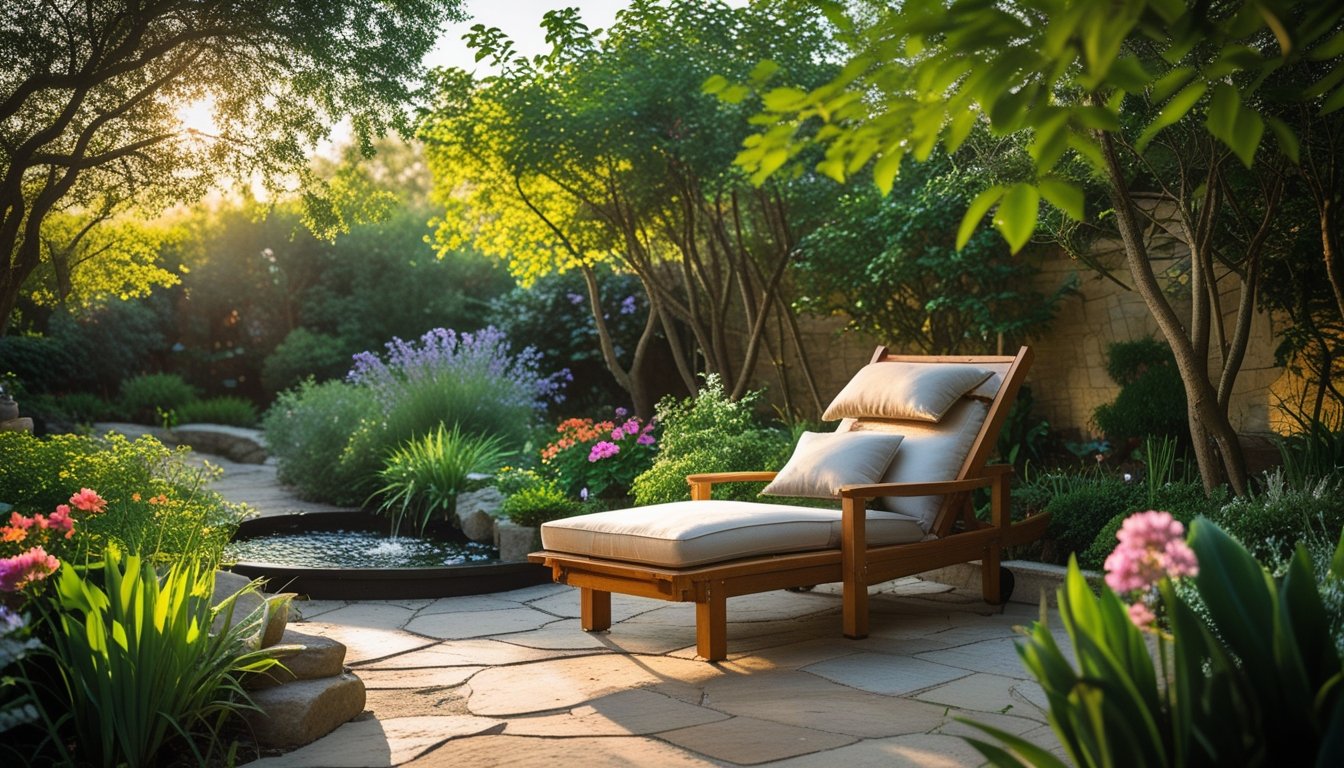
Crafting a stress-free garden retreat demands careful planning and mindful choices. From choosing the right plants to incorporating privacy features, these elements collectively contribute to an environment of serenity and relaxation.
What are the essential elements to include in a garden retreat for optimising relaxation?
To foster an atmosphere of peace, we should focus on elements such as lush greenery, soothing water features, and comfortable seating. These foundational components help create a welcoming space conducive to relaxation.
How can one design a garden space to promote stress relief and mental well-being?
Strategic layout is crucial for mental well-being. By incorporating pathways and open spaces for easy movement, along with secluded nooks for solitude, we can design a garden that reduces stress and encourages mindfulness.
What plants are recommended for creating a calming atmosphere in a garden retreat?
Lavender, chamomile, and jasmine are ideal for their soothing aromas. Additionally, the presence of greenery like ferns and grasses helps maintain a tranquil ambience by blending seamlessly with natural surroundings.
Could you suggest effective ways to maintain privacy in a garden retreat?
Hedging, trellis panels with climbing plants, and portable screens make excellent choices for creating privacy. These elements not only shield us from prying eyes but also add an organic touch to the garden's aesthetic.
What outdoor features could enhance the tranquillity of a garden retreat?
Integrating features such as wind chimes, bird baths, and simple sculptures can magnify the sense of tranquillity in the garden. These additions serve as focal points while enhancing the overall sensory experience.
How can lighting be used to improve the ambience of a garden retreat during the evening?
Soft lighting, such as string lights or solar-powered lanterns, can transform a garden retreat after sunset. By illuminating pathways and highlighting specific areas, we create a warm and inviting atmosphere for evening relaxation.