
Late updated: 11 Dec 2025 12:12
Written by: James Whitaker
Gardening Tips For Maximising Small Urban Spaces: Expert Strategies For Success
Urban gardening has emerged as a creative solution for those of us living in city environments where space is at a premium. Small urban spaces, from tiny balconies to narrow windowsills, can surprisingly become lush green areas with a bit of ingenuity and planning. By optimising every inch and choosing the right techniques and plants, urban gardening can transform even the most compact spaces into vibrant oases.
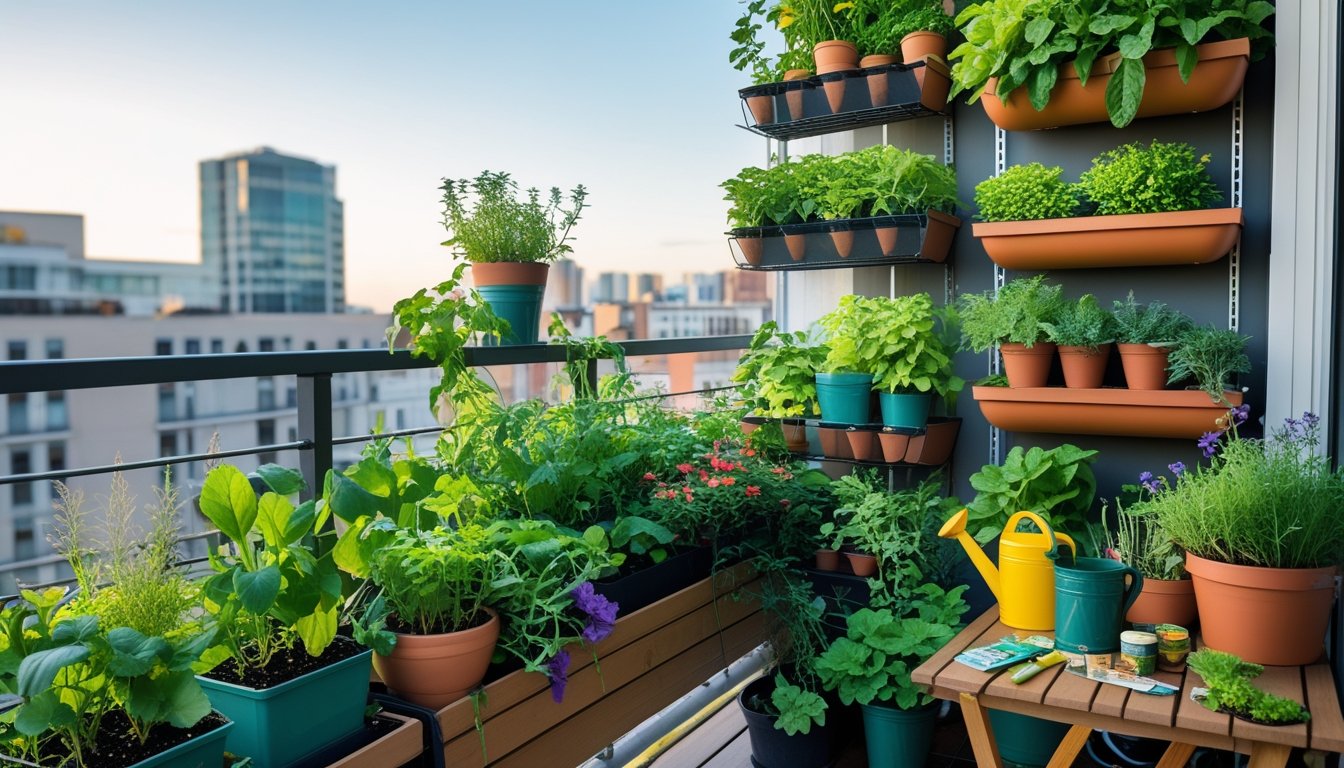
To begin our green journey, we need to assess our available space clearly and creatively consider how to configure our gardening ambitions within it. Techniques like vertical gardening, using containers, and smart plant selections play a crucial role in maximising these limitations. With the right approach, we can enjoy fresh produce and the calming presence of nature right in the heart of the city.
Plant selection is vital as we look to create a thriving garden in minimal space. Opt for compact plants and those that are well-suited to urban environments. With a focus on space-saving strategies and efficient care practices, our urban gardens can flourish, offering both beauty and bounty.
Key Takeaways
- Optimise small spaces with the right gardening techniques.
- Select plants that thrive in compact urban environments.
- Implement space-saving strategies for a flourishing garden.
Essential Gardening Techniques for Small Urban Spaces

In urban areas where space is at a premium, effective gardening techniques can transform even the smallest balconies or patios into lush green oases. Applying the right strategies not only maximises available space but also enhances the functionality and aesthetic appeal of your urban garden.
Optimising Vertical Gardening with Trellises and Supports
Vertical gardening is essential in maximising small urban areas, offering a brilliant way to grow more in less space. Trellises and supports allow us to utilise vertical space efficiently. By growing climbing plants such as peas, beans, and tomatoes on these structures, we can create a lush backdrop that enriches any environment.
Utilising wall-mounted planters or hanging baskets further optimises vertical spaces. These are ideal for herbs and flowers, providing easy access and simple maintenance. Window boxes and railing planters are another option, suitable for herbs or small flowers. Select lightweight materials and ensure proper drainage to maintain plant health and structural integrity. This technique is particularly effective in balcony gardens where every inch matters.
Container Gardening for Flexible Urban Layouts
Container gardening offers the flexibility needed in dynamic urban spaces, allowing us to move plants as needed to suit lighting conditions or design preferences. Potted plants are available in various sizes, accommodating a wide range of plant types from flowers to vegetables. This flexibility is crucial for changing urban light conditions through different seasons.
Containers can be creatively arranged to enhance the aesthetic appeal of our balcony or patio. We might stack them at different heights to add visual interest and allow for more planting surfaces. Using lightweight pots makes rearrangements easier and encourages experimentation with layout. Urban gardening tips for container setups include selecting pots with good drainage and using high-quality potting mixtures to prevent root rot and nutrient deficiencies.
Space-Saving Strategies and Efficient Use of Limited Areas
Ensuring space efficiency in small urban gardens involves more than pots and planters. Smart space-saving solutions include using tiered shelving and creative storage to keep tools and accessories organised. This smart method maximises planting areas and reduces clutter. Planting compact or dwarf varieties of plants optimises the use of limited space without sacrificing yield or visual impact.
Another effective strategy is succession planting, which involves planting crops in stages to ensure continuous production throughout the growing season. By overlapping cropping times, we can make full use of every inch of soil in our small spaces. Recognising plant compatibility is also key, as some crops can be grown as companions, boosting overall productivity and keeping pests at bay. Balancing aesthetic beauty with practical functionality truly transforms our small spaces.
Choosing the Best Plants for Limited Urban Spaces
Urban gardeners can make the most of limited spaces by selecting the right plants. It is essential to prioritise species that thrive in small environments, require minimal maintenance, and offer versatility in use.
Top Herbs and Leafy Greens for Compact Gardens
Herbs and leafy greens are excellent choices for small urban gardens. They grow well in containers and require limited space. Basil, rosemary, and mint are popular herbs that thrive in small pots or window boxes. They not only provide fresh ingredients for cooking but also add pleasant aromas to your garden.
Leafy greens such as spinach and lettuce are ideal as they grow quickly and can be harvested multiple times. Placing these plants in vertical planters is a smart way to maximise space, giving us a lush supply of greens right at hand. With such compact options, we can enjoy a green and thriving urban oasis.
Selecting Drought-Resistant and Low-Maintenance Varieties
For those concerned about water usage, drought-resistant plants are key. Succulents and cacti are great choices due to their ability to store water and withstand dry conditions. These plants are low-maintenance, adding an interesting texture and style.
Climbing plants like ivy can be trained along trellises or walls, creating vertical greenery that does not monopolise ground space. Ferns, though needing a bit more moisture, can thrive in the shade, making them suitable under larger plants or in lower-light areas. Highlighting these resilient varieties ensures our gardens can flourish without excessive effort.
Compact Vegetables and Dwarf Fruit Trees for Small-Space Harvests
Growing vegetables and fruits in tiny spaces is possible with compact and dwarf varieties. Radishes are an excellent choice since they grow quickly and take up minimal space. Tomatoes and pepper plants can be cultivated in containers and yield abundant harvests. For a touch of fruitfulness, we can opt for dwarf fruit trees, such as dwarf citrus.
These trees are suitable for patios or balconies and can offer fresh, homegrown fruit in confined spaces. By thoughtfully selecting these plants, we can relish a variety of produce without needing a traditional garden plot. Our small urban spaces can become bountiful with the right choices.
Frequently Asked Questions

When cultivating a small urban garden, specific strategies and techniques can significantly optimise the use of space and enhance the overall gardening experience. Exploring container gardening, vertical systems, plant selection, companion planting, light management, and design ideas can yield remarkable results.
What are the most effective container gardening strategies for limited space?
Container gardening is a versatile approach that allows us to make the most of small spaces. The use of stackable pots can help maximise vertical space. Choose lightweight, portable containers so we can rearrange them frequently to suit our garden's ever-changing needs. Selecting containers with good drainage and using potting soil designed for container plants are vital for plant health.
How can vertical gardening techniques maximise space in a small urban garden?
Vertical gardening is a powerful method for urban spaces, making use of walls, fences, and even ceilings. We can implement trellises or use wall-mounted planters to grow climbing plants. Hanging baskets can also fill unused overhead space. By using sturdy supports and choosing plants like ivy, tomatoes, or peas, we can effectively double the planting area available.
What types of plants are most suitable for compact urban garden areas?
Choosing the right plants is essential for success in confined spaces. Compact or dwarf varieties of vegetables, herbs, and fruit-bearing plants work well. We recommend opting for species that thrive in containers such as cherry tomatoes, basil, and strawberries. Some ornamental plants like succulents and ferns can also add visual interest without requiring much space.
How can one incorporate companion planting in a small urban garden setting?
Companion planting involves growing different plants together to benefit each other. In small gardens, we can use companion planting by pairing plants that have complementary needs or those that deter pests for each other. For example, basil planted alongside tomatoes not only saves space but can also improve the flavour of the tomatoes. Mint can repel aphids and enhance the growth of nearby greens.
What are the best practices for ensuring sufficient light exposure in densely built-up areas?
Light management is crucial, especially in dense urban areas. We should observe the sun patterns in our garden to identify the brightest spots. Reflective surfaces, such as mirrors or light-coloured walls, can direct additional light toward shaded areas. We might consider using grow lights to supplement natural lighting and ensure our plants receive adequate exposure.
How can a small urban garden be designed to create the illusion of more space?
Designing with an illusion of space in mind involves clever use of layout and visual tricks. We can incorporate mirrors to reflect greenery and give the appearance of a larger garden. Using a unified colour palette and focusing on vertical lines can draw the eyes upward, enhancing the sense of height. By strategically positioning taller plants at the back and shorter ones at the front, we create depth and layers, making the garden seem more expansive.