
Late updated: 06 Jan 2026 13:01
Written by: James Whitaker
Discover The Art Of Crafting Tranquil Garden Spaces: A Guide To Creating Serenity
Discovering the art of crafting tranquil garden spaces is an enriching journey that opens doors to creating our very own sanctuary of peace and beauty. Whether our outdoor area is vast or a cosy nook tucked away in a bustling city, it holds the potential to become a haven of serenity. The key lies in blending natural elements with thoughtful design to foster tranquillity and mindfulness.
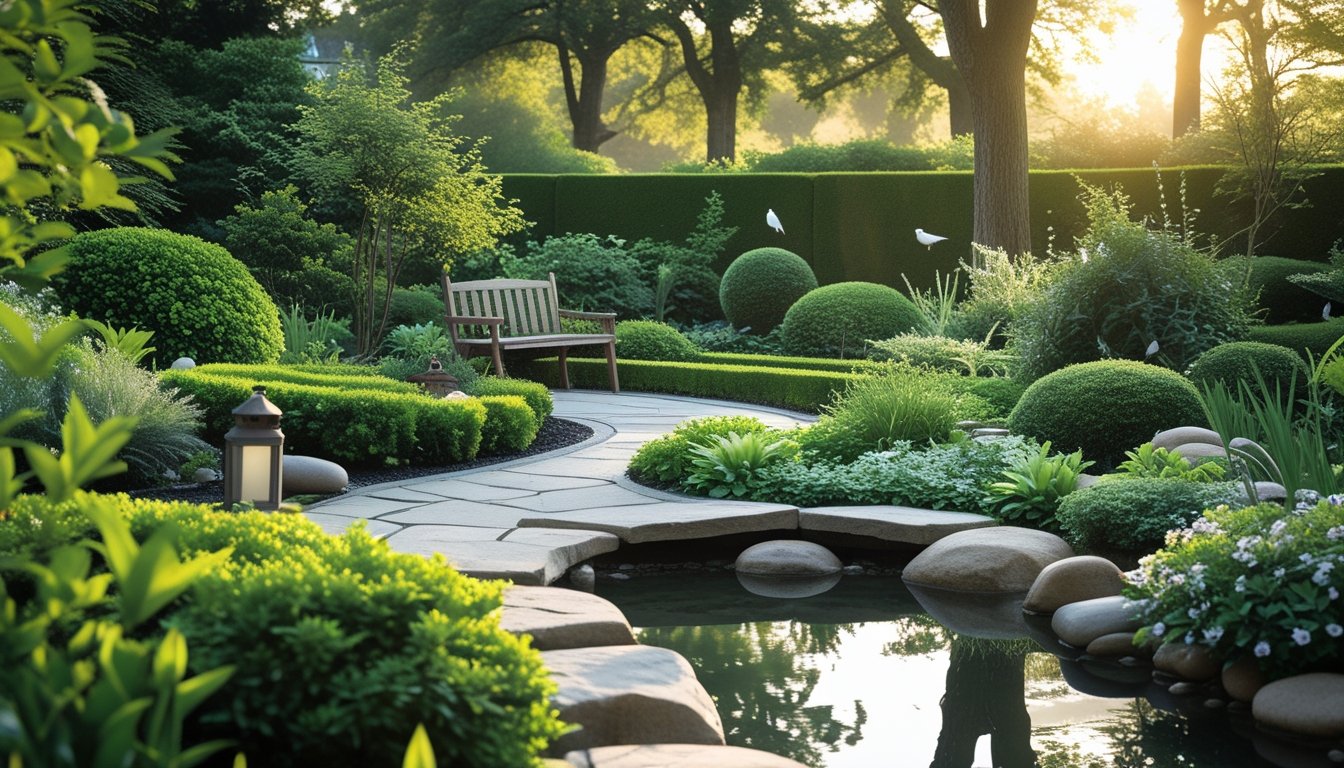
Our gardens are more than just collections of plants and flowers; they are transformative spaces that can reflect our personalities and aspirations. By thoughtfully incorporating features like water elements, carefully chosen plants, and inviting seating areas, we can create a space that allows us to relax and unwind. This transformation is not only about aesthetics—it’s about creating a harmonious balance between nature and our desire for peace.
Through exploring various principles and elements, we aim to reveal new possibilities for outdoor spaces. Our focus is on simple and effective ideas that encourage us to embrace nature's offerings and incorporate them into our daily lives.
Key Takeaways
- Crafting a tranquil garden involves a blend of natural and design elements.
- Essential features like water elements and seating enhance serenity.
- Simple, thoughtful additions transform gardens into peaceful retreats.
Principles and Elements of Crafting Tranquil Garden Spaces
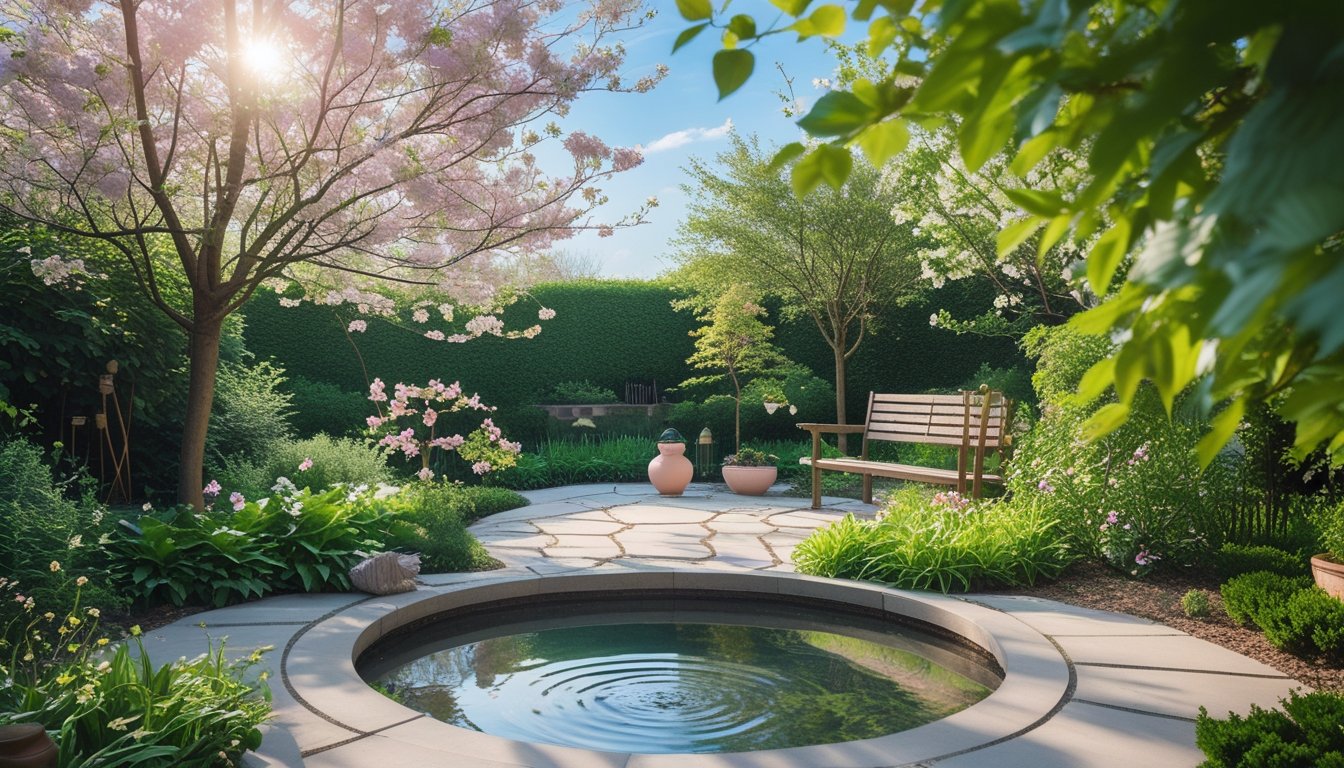
Crafting a tranquil garden space involves harmonising design principles to create a serene atmosphere. Our focus is on designing with intention, weaving Zen concepts into the landscape, and using harmonious layouts and strategic focal points to enhance peace and relaxation.
The Essence of Garden Design for Tranquillity
In our quest to create a tranquil garden, the foundation lies in thoughtful design. Incorporating natural elements such as water features, rock gardens, and soft foliage can establish a peaceful garden atmosphere. These elements often embody simplicity and balance, critical components in fostering mental clarity and relaxation.
We explore various garden design principles, prioritising gentle curves over harsh lines to guide the eye smoothly. Colour plays a pivotal role here, with muted palettes of greens, blues, and earth tones fostering a season-round tranquil ambiance. Adding secluded areas for reflection can further enhance the overall serene experience.
Integrating Zen Garden Concepts
Zen gardens are quintessential in crafting spaces that promote serenity and focus. By embracing minimalist elements and the principles of shizen (naturalness) and kanso (simplicity), we can create gardens that are both beautiful and calming. Our Zen garden ideas often consider the use of sand, gravel, and strategically placed stones to mimic natural landscapes.
In a Zen garden, raked sand or gravel represents ocean waves, while rocks symbolise islands or mountains. This practice encourages meditation and peace. By integrating these designs into our gardens, we invite a pause from the frenetic pace of daily life. Insisting on simplicity, these gardens encourage mindfulness and provide a refuge for reflection.
The Role of Harmonious Layouts and Focal Points
Creating a tranquil garden also involves considering the layout and its focal points. A harmonious layout is crucial to ensure a peaceful garden environment that feels natural and inviting. We achieve this through balance, proportion, and symmetry, where elements are thoughtfully positioned to promote ease of movement and visual serenity.
Focal points, such as a central water feature or a particularly striking tree, draw the eye and serve as meditative anchors in the landscape. We should use these serene focal points sparingly to maintain the minimalist garden aesthetic. The interplay of light and shadow, coupled with the textures of foliage and stone, should accentuate these features, encouraging a deeper connection with nature.
Essential Features and Planting for a Serene Garden Retreat
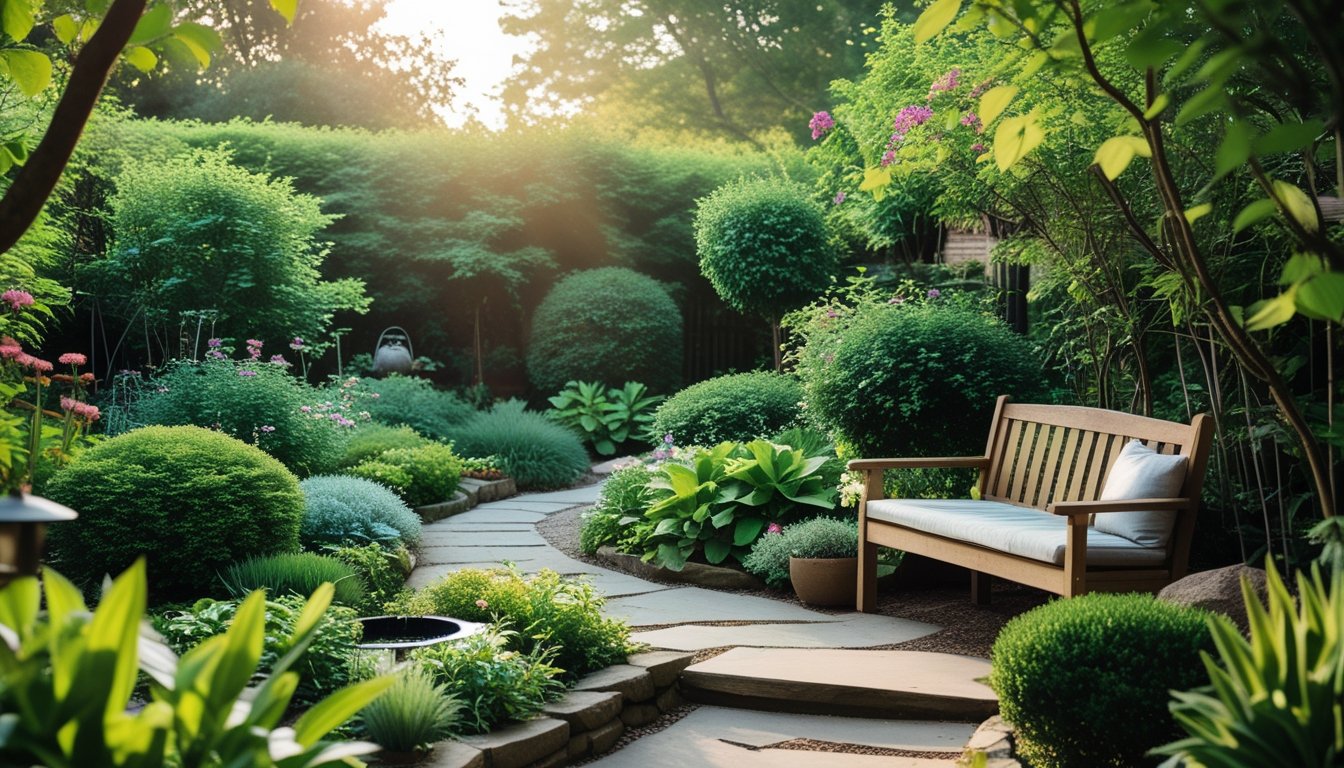
Creating a serene garden retreat involves careful selection of materials, plants, and features that work harmoniously to promote relaxation. Key elements such as stone arrangements, water features, and lush greenery not only enhance aesthetics but also reinforce the tranquil atmosphere.
Natural Materials and Stone Arrangements
Natural materials ground a garden in its surroundings, providing texture and stability. Using boulders, stepping stones, and smooth pebbles can delineate paths, while raked gravel and sand patterns echo traditional zen gardens. River stones and stone lanterns accentuate these paths, fostering a sense of continuity and purpose. Wooden pergolas provide shade and architectural interest, adding height and structure without overwhelming the space. This interplay of vertical and horizontal elements creates a balance that feels both expansive and intimate. We might incorporate decorative stones to highlight specific areas, drawing the eye and inviting pause. With each step, the garden unveils its layered beauty, encouraging us to move thoughtfully through the space.
Water Features and Auditory Elements
Water features introduce a soothing auditory layer to the garden, masking noise and inviting reflection. A small pond with water lilies might anchor a corner, while a water fountain offers a dynamic focal point. For added tranquillity, a koi pond could add movement and life. Complement these elements with wind chimes for a gentle melody on the breeze. The light bubbling of a stream or the soft trickle from a birdbath enhances the sense of retreat, evoking peacefulness. To encourage wildlife, incorporate aquatic plants that provide visual interest and biodiversity. These features together create an immersive auditory experience, grounding us in nature's rhythms and offering solace.
Plants and Greenery for Calm Atmosphere
Lush greenery provides the backdrop for a tranquil garden. Selecting ferns, perennials, and succulents ensures year-round interest with varied textures and colours. Drought-resistant and native plants improve resilience and sustainability. By integrating bamboo plants or bamboo accents, we introduce vertical elements that catch the wind and rustle soothingly. Aromatic plants like lavender, rosemary, and jasmine engage the senses, their scents calming and invigorating. For structural interest, consider sculptural plants or a bonsai tree, which bring a zen-like precision to plant forms. Organic mulch and drip irrigation systems help maintain moisture and balance, supporting healthy growth even in small spaces.
Lighting, Seating, and Decorative Touches
Thoughtful lighting extends the usability of a garden retreat into the evening. Soft lighting using string lights can cast a warm glow, while strategically placed accent lamps spotlight key features. Cozy seating areas provide comfort, inviting us to linger. A well-placed wooden bridge or stone path leads to intimate nooks, perfect for reflection. Fire pits provide a focal point, ideal for gatherings or solitary contemplation. By choosing thoughtful decorative touches like sculptural rocks or a tabletop zen garden, the garden becomes a personal refuge dedicated to peace and restoration. These elements, balanced and cohesive, transform our outdoor spaces into sanctuaries of calm and connection.
Frequently Asked Questions
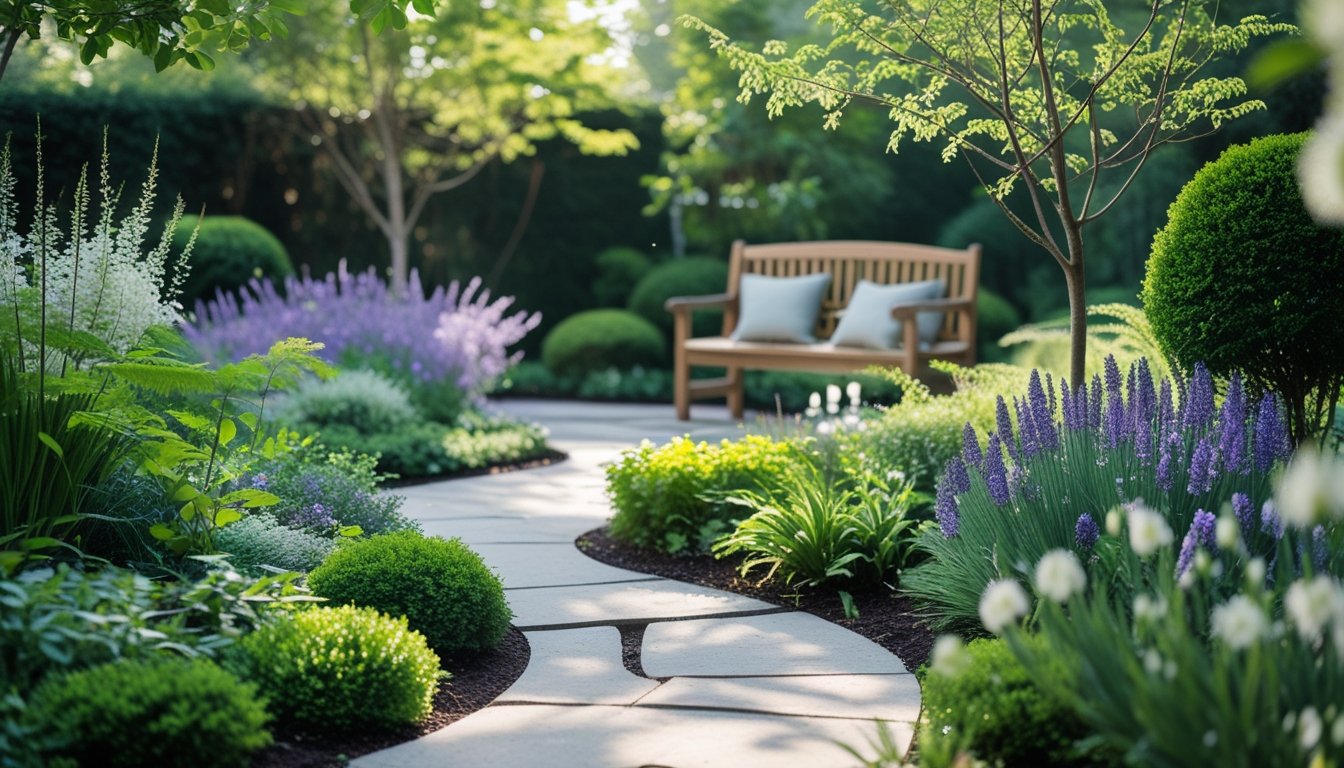
In this section, we address some common queries about crafting tranquil garden spaces. Understanding essential elements, incorporating water features, selecting the right plants, and establishing privacy are crucial to creating an oasis of calm. Each aspect plays a significant role in transforming outdoor spaces into serene retreats. Let us guide you through some frequently asked questions.
What are the essential elements to include in a serene garden design?
A serene garden often features rocks, gravel, and sand to create a minimalist and calming environment. These materials symbolise nature's simplicity and help to establish a meditative atmosphere. Including these elements can enhance the overall tranquillity of the space.
How can water features be incorporated to enhance tranquillity in a garden?
Water features, such as ponds or fountains, add a soothing auditory element that masks background noise. The gentle sound of flowing water creates a relaxing ambiance, ideal for meditation or quiet reflection. Positioning a water feature strategically can enhance the soothing quality of your garden space.
What plant selection strategy contributes to a calm outdoor environment?
Choosing plants with soft, flowing foliage helps in creating a tranquil environment. Opt for green hues and native species to ensure the garden complements the local ecosystem. The use of aromatic plants, like lavender or jasmine, can further elevate the calming atmosphere of the space.
Could you suggest effective techniques for creating privacy in peaceful garden areas?
Incorporating hedges or trellises can offer natural privacy screens. These elements not only provide seclusion but also contribute to the garden's aesthetic appeal. Using climbing plants on trellises or fences adds height and texture while maintaining a sense of enclosure and tranquillity.
What lighting schemes are best suited for crafting a relaxing garden ambiance?
Soft, ambient lighting is key to setting a peaceful mood in a garden. Consider solar garden lights or string lights for a gentle glow. Placing lights along pathways or near focal points like water features enhances the relaxing atmosphere in the evening.
How can one design a tranquil garden space within a small urban setting?
In an urban setting, maximising vertical space with shelves or vertical gardens can make a small area feel lush. Use potted plants and hanging planters to create layers and depth. Focus on elements that require minimal space yet add significant visual or auditory appeal, such as small water features or vertical trellises with climbing plants.