
Late updated: 21 Dec 2025 13:12
Written by: James Whitaker
Sustainable Gardening Tips For Stress-Free Relaxation: Creating Your Green Oasis
Embarking on the journey of sustainable gardening offers us not just a chance to nurture the environment, but also to cultivate our own well-being. As we seek relaxation and moments of mindfulness, we can transform our gardens into tranquil sanctuaries. By adopting sustainable practices, we can create a stress-free gardening experience that enhances both our mental health and the health of the planet.
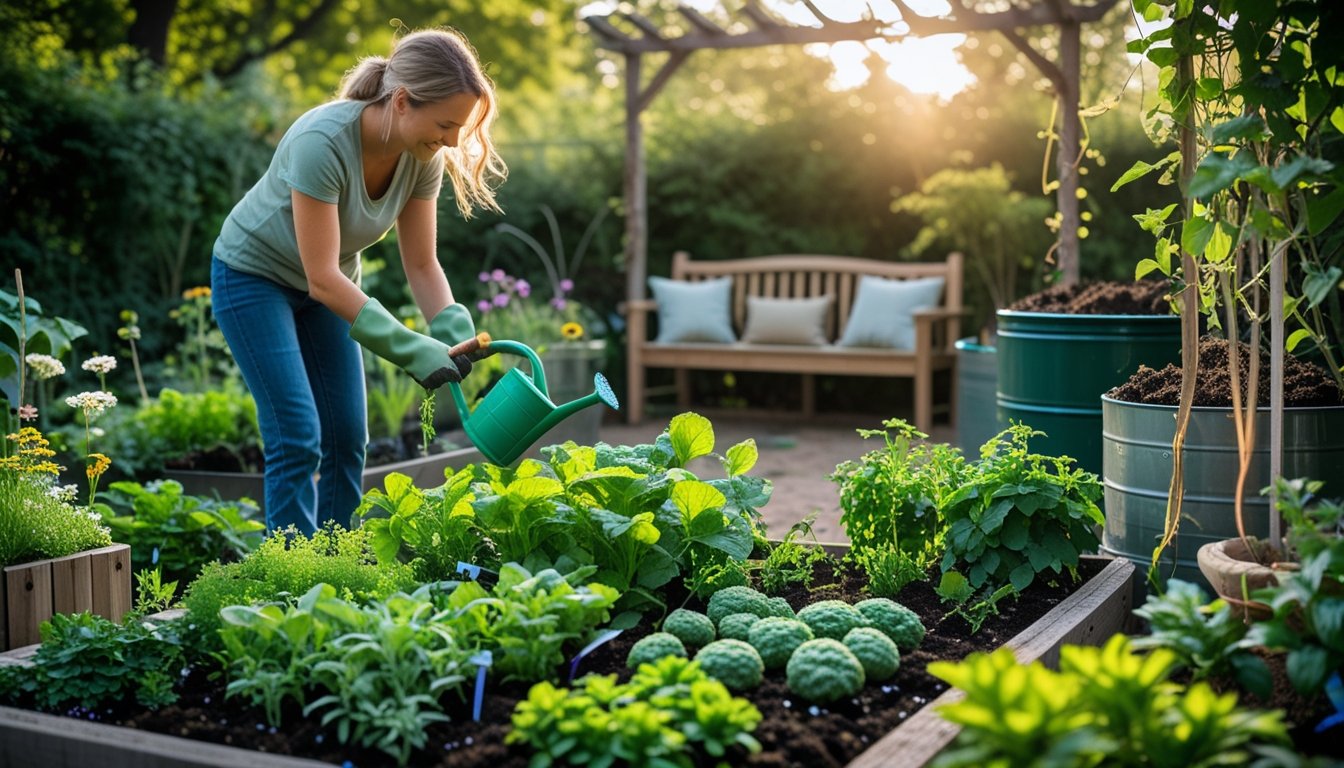
In our pursuit of sustainable gardening, incorporating natural materials and selecting the right plants are key elements. The integration of resilient plants and low-maintenance varieties ensures our gardens thrive with minimal effort, fostering a calming environment that's easy to maintain. This approach allows us to engage with nature more meaningfully, enhancing our sense of relaxation and peace.
Stress-free gardening isn't just a hobby; it's a pathway to personal growth and emotional balance. By approaching our gardens as spaces for mindfulness, we nurture both our mental state and the natural world around us. As we continue this practice, we manifest a harmonious blend of sustainability and relaxation in our lives.
Key Takeaways
- Sustainable practices promote stress-free gardening.
- Low-maintenance plants enhance relaxation.
- Mindful gardening fosters well-being.
Foundations Of Sustainable And Stress-Free Gardening
To cultivate a relaxing and sustainable garden, we can explore several foundational elements, such as selecting durable plants and establishing mindful gardening routines. By integrating these strategies, we foster a space that's not only eco-friendly but also enhances our well-being.
Benefits Of Gardening For Stress Relief
Gardening provides not only aesthetic pleasure but also profound mental and physical health benefits. Engaging in this activity allows us to enjoy physical activity, improving cardiovascular health and overall wellness. It offers a chance to disconnect from daily stressors, promoting mental clarity and calm.
The act of nurturing plants can increase mindfulness, providing a sense of accomplishment. There's evidence suggesting that gardening reduces cortisol levels, a stress hormone, while increasing endorphin levels. These biological responses contribute to enhanced mood and stress relief. It's not just about growing plants; it's about growing peace within ourselves.
Choosing Low-Maintenance And Native Plants
Opting for low-maintenance and native plants is key to achieving a sustainable and relaxing garden. Native plants are well-suited to the local climate and soil conditions, often requiring less water and fewer chemical interventions. This makes them ideal choices for gardeners who want to reduce their environmental impact while enjoying a beautiful, thriving garden.
Some easy-to-care-for plants might include drought-resistant perennials or hardy herbs, such as Salvia officinalis (sage). These plants not only thrive with minimal care but also support local wildlife. By selecting appropriate flora, we simplify garden maintenance and enhance biodiversity.
Essential Gardening Tools And Soil Quality
Having the right tools is essential for efficient gardening. Basic tools like a sturdy spade, a reliable watering can, and quality pruning shears are vital for maintaining healthy plants. Investing in ergonomic tools can reduce strain and make gardening more enjoyable.
Soil quality is equally important. A healthy garden starts with nutrient-rich soil, which can be achieved by regular composting and mulching. Compost enriches the soil, providing essential nutrients to plants and improving moisture retention. By improving soil health, we can boost plant resilience, ensuring vibrant growth with less effort.
Mindful Gardening Routines And Practices
Establishing mindful gardening routines can transform how we connect with our green spaces. Incorporating practices like deep breathing while watering or observing the intricate details of leaves enhances the meditative aspect of gardening. We can practice gratitude by acknowledging the growth and beauty unfolding around us.
Developing a garden routine that includes regular maintenance and seasonal tasks helps prevent garden chores from becoming overwhelming. By dedicating specific times to tasks like weeding or pruning, we maintain our gardens without stress. Whether it's tending an herb garden or arranging container gardens in urban settings, mindful practices cultivate both garden and gardener.
Cultivating Relaxation And Mindfulness In The Garden

In our pursuit of a stress-free experience through gardening, we can focus on fostering relaxation and mindfulness. By intentionally designing gardens that engage our senses and minds, we create spaces that not only benefit our mental well-being but deepen our connection to the natural world.
Creating Sensory And Therapeutic Spaces
A sensory garden incorporates elements that are pleasing to sight, smell, sound, and touch. Lavender, chamomile, and mint not only add vibrant colours but also provide soothing aromas that aid in relaxation and stress relief through natural aromatherapy. By including a water feature or wind chimes, we can introduce gentle sounds that enhance the calming atmosphere. Garden art and walkways created from natural materials can visually enrich the space and create areas for meditation or reflection. A sensory garden becomes a personal retreat where we can unwind and rejuvenate.
Stress-Reducing Gardening Activities
Engagement in mindful gardening activities can significantly reduce stress levels. Focusing on simple tasks like watering plants or tending to succulents can act as forms of micro-meditation, helping to lower cortisol levels and increase endorphin production. Incorporating activities such as walking meditation along paths or designated meditation spots adds to the therapeutic quality of the garden. Simple actions, such as gently deadheading marigolds or pruning rosemary, focus our attention and enhance our mental well-being. These activities not only promote mental calmness but can also offer anxiety relief and improve overall emotional balance.
Connecting With Nature For Emotional Balance
Connecting with nature in our gardens fosters emotional well-being and can be deeply healing, akin to practising forest bathing or shinrin-yoku. By creating environments that encourage nature immersion, our gardens can become sanctuaries for emotional rest and recovery. Adding a bird feeder not only attracts wildlife but fosters moments of joy and engagement with small ecosystems, supporting biodiversity and our sense of environmental stewardship. Engaging in community gardening activities enhances our social connections, allowing us to foster relationships and mutual support. These reflexive connections not only alleviate symptoms of anxiety and depression but promote a serene and balanced life.
Frequently Asked Questions

In sustainable gardening, incorporating composting and adopting water conservation practices contributes significantly to a healthier garden. Selecting drought-resistant and native plants, alongside environmentally friendly pest control, plays a vital role in creating a stress-free, eco-friendly environment.
How can one effectively incorporate composting to improve soil health?
Composting is a natural process that turns organic material into a rich soil conditioner. To effectively incorporate it, we need a balanced mix of greens (like grass clippings) and browns (such as dried leaves). This mix should be kept moist and periodically turned, accelerating the decomposition process and improving soil health.
What are the best drought-resistant plants for a low-maintenance garden?
Incorporating drought-resistant plants like lavender, succulents, and echinacea can transform a garden into a low-maintenance haven. These plants not only withstand dry conditions but also add vibrant colour and texture, reducing the need for frequent watering and care.
Could you suggest environmentally friendly pest control methods for gardens?
Adopting natural pest control methods enhances garden sustainability. We recommend using companion planting, such as marigolds, to ward off harmful insects. Additionally, introducing beneficial insects like ladybirds can naturally curtail pest populations, bringing a balance to the ecosystem.
What practices should be followed to maximise water conservation in gardening?
Water conservation practices, such as using drip irrigation systems and rainwater harvesting, can significantly reduce water usage. Mulching around plants retains soil moisture, while choosing native and drought-tolerant species inherently supports efficient water utilisation.
How does mulching contribute to a sustainable garden ecosystem?
Mulching acts as a protective layer that retains soil moisture, suppresses weeds, and adds organic matter as it decomposes. It also regulates soil temperature, protecting plant roots from extreme weather changes, and thereby contributes to a stable garden ecosystem.
Can you provide guidance on selecting and managing native plants for garden biodiversity?
Selecting native plants is key to supporting local biodiversity. These plants are adapted to the regional climate and soils, requiring less fertiliser and water. Regular monitoring and natural pest management ensure they thrive, attracting local wildlife and contributing to an ecologically balanced garden.